




Cocoa supply is under crisis, with record shortages and soaring prices. Reenbio’s Cocoa Powder Substitute (CPS) is a 1:1 plant-based alternative that delivers the same taste, aroma, and texture as traditional cocoa powder. Ethical, cost-effective, and sustainable — CPE ensures your chocolates, cakes, and cookies remain indulgent without compromise..
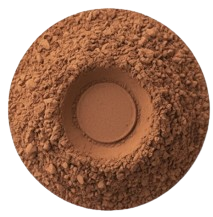
Well balanced, substitute of natural cocoa powder, with a light brown color and strong cocoa bitterness, creamy and fruity taste.
Total Fat 20-22% (Customizable)
pH range 5.4-5.8 (Customizable)
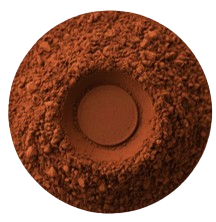
Bright red and chocolaty substitute of lightly alkalized / red cocoa powder, stronger yet balanced cocoa and mild fruity taste.
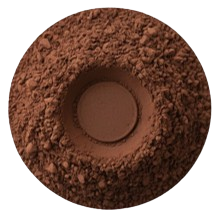
Strong cocoa, highly alkalized cocoa powder substitute, with a dark brown color and stronger cocoa, milder creamy and touch of fruity taste.
Total Fat 10-12% (Customizable)
pH range 7.5-8.5 (Customizable)
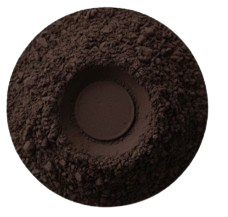
Intense cocoa, black cocoa powder substitute, with a blackish brown color, very strong cocoa, very mild creamy and lightly sweet notes.
Natural plant-based stimulants found in cocoa beans.
Help protect cells from damage and support health.
Typically ranges between 10% to 24%.
Includes fiber, minerals, and trace amounts of protein.
Cocoa is sourced from cacao trees (Theobroma cacao) grown in tropical climates. Major producers include Ivory Coast, Ghana, Nigeria, Cameroon, Indonesia, and Ecuador. Over 70% of global supply comes from West Africa.
Cocoa Powder Substitute (CPS) by ReenBio addresses these industry challenges without compromising performance.
Reduce cocoa costs by 30–50% without loss of quality.
No technical changes required. Just replace and proceed.
Made from year-round available, plant-based materials.
Utilizes by-products like cocoa shells and rice bran.
Free from child labor and deforestation practices.
We offer:
Connect with us to discover how ReenBio’s Cocoa Powder Substitute can help reduce costs, ensure consistency, and promote ethical sourcing. All without changing what your customers love.
Fragmented Market
B2B
MSME